Last Updated: September 02 2026
What are the bicycle braking requirements in Ontario and the possible fine if I’m convicted?
In Ontario, you must ride a bicycle on a highway with at least one brake system acting on the rear wheel that can enable a braked wheel skid on dry, level, and clean pavement, per Highway Traffic Act, R.S.O. 1990, c. H.8 (s. 64(3)). If you are convicted for riding without compliant brakes, the penalty is the general fine where none is otherwise provided, per Highway Traffic Act, R.S.O. 1990, c. H.8 (s. 214(1)), which can be $60 to $1,000 plus victim surcharge and court costs, and the conviction may show on your record and affect auto insurance. If you received a ticket or want help understanding your options, VP Legal Services & Notary offers paralegal and notary services in Ontario, call (437) 286-1499 to discuss your situation.
Add this website to Google Preferred Sources
Understanding the Braking Requirements for Bicycles Operated Upon Roadways Including Potential Penalties
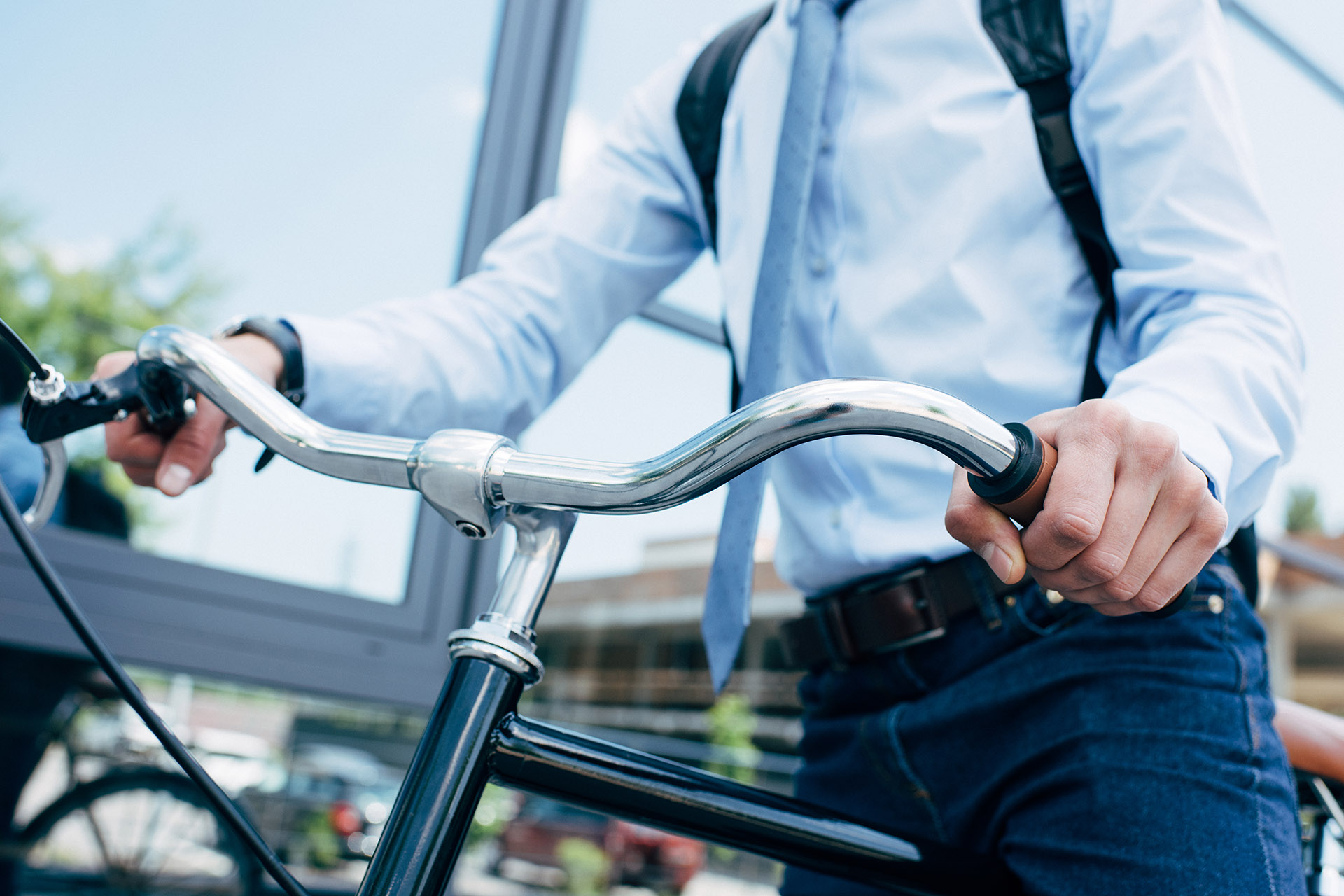 Many bicyclists may be surprised to learn that many traffic laws apply specific to bicyclists; including, among others, the requirement that a bicycle have a braking system capable of making the rear tire skid on dry, level, and clean pavement. If charged convicted, a bicyclist will have the charge applied to the driving record (Motor Vehicle Report) of the bicyclist.
Note: For immediate help, please contact VP Legal Services & Notary by phone at: (437) 286-1499 to retain services or to discuss any specific questions that you may have.
The Law
The requirement that a bicycle must have a braking system capable of leaving a skid mark is prescribed per section 64(3) of the Highway Traffic Act, R.S.O. 1990, c. H.8. The applicable penalty upon conviction for a violation is found at section 214(1) of the Highway Traffic Act as section 64(3) is silent about, meaning failing to state, the penalty details. Specifically, section 64(3) and section 214(1) of the Highway Traffic Act state:
Brakes on bicycle
64 (3) No person shall ride a bicycle on a highway unless it is equipped with at least one brake system acting on the rear wheel that will enable the rider to make the braked wheel skid on dry, level and clean pavement.
General penalty
214 (1) Every person who contravenes this Act or any regulation is guilty of an offence and on conviction, where a penalty for the contravention is not otherwise provided for herein, is liable to a fine of not less than $60 and not more than $1,000.
Accordingly, per the general penalty stated within section 214(1) as is shown above, the fine for operating a bicycle without a brake capable of causing the rear tire to skid on dry, level, and clean, pavement is in a range from sixty ($60) dollars to one thousand ($1,000) dollars. Additional penalties will include the statutory victim surcharge plus court cost. Furthermore, although such a charge involves operation of a bicycle, upon a conviction the bicyclist will have the conviction regarded as a driving offence which may result in consequences to automobile insurance rates.
Summary Comment
Operating a bicycle without a proper braking mechanism is risky to the bicyclist and others; and accordingly, the law forbids doing so and imposes a fine of up to one thousand ($1,000) dollars upon a finding of guilty when a bicyclist is charged and convicted.
NOTE: A significant amount of online searches relating to “lawyers near me” or “best lawyer in” typically indicate a desire for prompt and competent legal assistance rather than a particular designation. In Ontario, “licensed paralegals” fall under the regulation of the same Law Society that governs lawyers and they possess the authority to advocate for clients in specific litigation scenarios. Skills in advocacy, legal evaluation, and procedural knowledge are fundamental to this profession. VP Legal Services & Notary offers legal representation within its licensed boundaries, focusing on strategic planning, evidence preparation, and compelling advocacy aimed at securing effective and beneficial outcomes for clients.